
Dating in two worlds: the new reality of love
In the past, dating used to mean face-to-face encounters — going out for dinner, meeting at a café, or attending a social event. Today, technology has added a whole new layer: virtual dating. With the rise of dating apps, video calls, and online communication, relationships can start — and sometimes even flourish — without the couple meeting in person.
But what exactly sets in-person dating apart from virtual dating? How do these two approaches influence attraction, connection, and long-term success in relationships? In this article, we’ll dive into the key differences, advantages, and challenges of both worlds, so you can better understand how to navigate modern romance.
The essence of in-person dating
In-person dating is the traditional route: two people meeting physically to spend time together. Whether it’s a dinner date, a walk in the park, or a movie night, the main feature is physical presence.
Body language, eye contact, and small gestures play a huge role in creating chemistry. When you’re face-to-face, emotions flow more naturally, and the atmosphere of the environment contributes to the experience.
The essence of virtual dating
Virtual dating, on the other hand, is built on technology. It can mean chatting through dating apps, sending voice notes, having long video calls, or even attending “virtual dinners” via Zoom.
This type of dating gained massive popularity during the pandemic, when in-person meetings weren’t possible. However, it didn’t disappear afterward — it became a convenient and accessible way to get to know someone before deciding whether to meet in person.
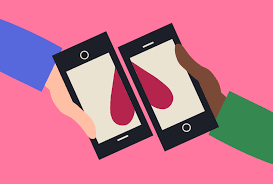
Major differences between in-person and virtual dating
1. Communication style
-
In-person dating: Communication is rich and multidimensional. Words are only part of the message — facial expressions, tone, posture, and even subtle physical contact add depth.
-
Virtual dating: The focus is primarily on verbal and written expression. Emojis, GIFs, and stickers may help, but they can’t fully replace body language. Misunderstandings are more common.
2. Building chemistry
-
In-person dating: Chemistry often sparks instantly. A smile, laughter, or even silence can feel meaningful when you’re together. Attraction can be physical and emotional at the same time.
-
Virtual dating: Chemistry may take longer to establish. While emotional bonds can grow through long conversations, physical attraction remains uncertain until meeting face-to-face.
3. Accessibility and convenience
-
In-person dating: Requires time, planning, and often money. Distance, traffic, or conflicting schedules can become obstacles.
-
Virtual dating: Extremely convenient. You can connect anytime, anywhere, from your couch or office. Long-distance connections are much easier to maintain.
4. Level of authenticity
-
In-person dating: It’s harder to hide your true self. Nervous habits, attitudes, and real-life reactions quickly come to light.
-
Virtual dating: People can curate their image more easily. Filters, edited photos, and carefully crafted messages sometimes create unrealistic expectations.
5. Emotional safety
-
In-person dating: Meeting someone in real life can feel riskier at first, especially for safety concerns. However, once trust is built, emotional security tends to be stronger.
-
Virtual dating: Offers initial safety since interactions are digital. But it also carries risks like catfishing, ghosting, or people not being who they claim to be.
Advantages of in-person dating
-
Deeper connection: The human brain is wired to respond to face-to-face interaction.
-
Fewer misunderstandings: Body language helps clarify intent.
-
Shared experiences: Going out together creates lasting memories.
-
Clearer attraction: You immediately know if the chemistry exists.
Advantages of virtual dating
-
Accessibility: Great for busy lifestyles or long-distance situations.
-
Comfort zone: Easier for introverts or shy people to express themselves.
-
Filtering stage: Helps determine compatibility before meeting in real life.
-
Flexibility: You can chat or video call anytime, without big commitments.
Challenges of in-person dating
-
Requires more effort and planning.
-
Can feel intimidating for people with social anxiety.
-
Higher upfront cost (restaurants, tickets, etc.).
-
If chemistry is missing, it feels like wasted time.
Challenges of virtual dating
-
Lack of physical cues can cause miscommunication.
-
Harder to gauge real chemistry.
-
People may present an idealized version of themselves.
-
The risk of emotional disappointment if reality doesn’t match expectations.
How virtual dating complements in-person dating
The truth is, these two forms of dating don’t have to be opposites — they often work best together. Many couples start with virtual dating, getting to know each other gradually, then move to in-person meetings once trust is built.
For example, chatting online first allows you to filter out incompatible matches before investing in a real-life date. On the flip side, in-person dating adds authenticity and depth that the virtual world simply can’t provide.
The psychological aspect of both approaches
Psychologists suggest that both in-person and virtual dating affect the brain in different ways:
-
In-person interactions trigger the release of oxytocin, the “bonding hormone,” through touch, eye contact, and proximity.
-
Virtual interactions often stimulate the imagination and emotional intimacy, as partners rely heavily on words to connect.
This means virtual dating can sometimes feel more emotionally intense, while in-person dating offers more holistic and grounded bonding.
Tips for successful in-person dating
-
Choose environments where conversation flows easily (cafés, walks, casual dinners).
-
Focus on being present — put away your phone.
-
Pay attention to small gestures: eye contact, posture, smiles.
-
Keep it light for the first meeting — avoid heavy topics.
Tips for successful virtual dating
-
Use video calls instead of only texting — it feels more real.
-
Be authentic in photos and descriptions.
-
Set boundaries: don’t let online communication consume all your time.
-
Plan to meet in person if both feel comfortable — don’t stay virtual forever.
Virtual dating and cultural shifts
In many countries, virtual dating is no longer “alternative” — it’s mainstream. Apps like Tinder, Bumble, and Hinge have normalized finding love online. Younger generations see it as natural, while older generations are slowly adapting.
This shift shows how love evolves with technology. What was once seen as unusual is now one of the most common ways people meet their partners.
The future of dating: hybrid connections
Looking ahead, dating will likely combine both worlds. Virtual reality, augmented reality, and AI-based matching systems are making online dating more immersive. Imagine putting on VR glasses and having a “virtual dinner” with someone on the other side of the world.
At the same time, in-person dating will remain essential. No technology can fully replicate the feeling of holding someone’s hand or sharing a laugh face-to-face. The future is hybrid — blending convenience with authenticity.
Final reflection: choosing what works for you
There’s no “better” option between in-person and virtual dating. Each has unique strengths and limitations, and the choice depends on lifestyle, personality, and goals.
-
If you value deep emotional bonds and instant chemistry, in-person dating may feel more fulfilling.
-
If you prefer convenience, slow pacing, or long-distance possibilities, virtual dating is a powerful option.
At the end of the day, both paths lead to the same destination: human connection. Whether you swipe on a screen or meet at a café, what matters most is honesty, respect, and the willingness to build something real.