
A love that lives on screens
It starts with a message, a reaction to a post, or a late-night conversation that stretches for hours. Before you realize it, someone who lives thousands of miles away—or even just across town—feels closer than people you see every day.
This is the reality of digital relationships. Whether through dating apps, social media, or online communities, many of us are forming deep bonds that exist almost entirely through screens. Sometimes, these connections even feel more real, more intense, and more supportive than face-to-face relationships.
But why does this happen? What makes virtual ties so powerful, and what challenges come with them? Let’s dive in.
Why digital connections feel so strong
One of the most fascinating aspects of digital relationships is how quickly they can create intimacy. Without the distractions of physical presence, people often go straight to conversation. Words become the main vehicle of connection.
Smartphones make it possible to talk at any hour, and that “good morning” text or a random meme at midnight creates a sense of ongoing presence. Online, people also have more time to think about what they want to say, which often leads to more thoughtful and vulnerable exchanges than those that happen spontaneously in person. Shared spaces like gaming platforms or niche forums allow individuals to bond over specific passions, forming connections on a foundation of common interests. On top of that, the screen sometimes acts as a protective barrier, making it easier to open up about insecurities or dreams without fear of immediate judgment.
The paradox of virtual closeness
Interestingly, digital relationships often skip the small talk and dive directly into deeper waters. Many people share personal stories faster online than they would face-to-face.
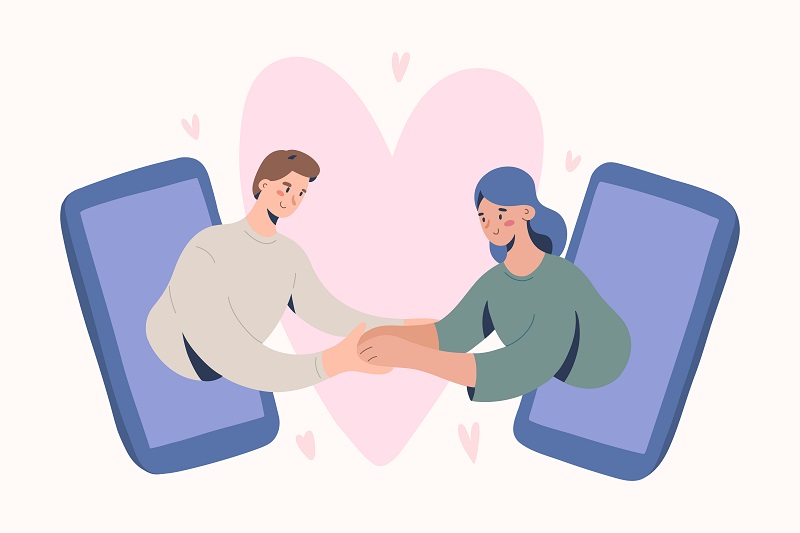
This creates a paradox: you may feel you know someone better after weeks of digital interaction than after months of seeing them in person. Emotional intimacy grows quickly, but physical and practical realities lag behind. It’s possible to feel completely understood by someone whose hand you’ve never held.
When virtual feels more real than reality
Digital connections sometimes feel stronger than offline ones because they focus more on emotion than logistics. In face-to-face relationships, daily routines, chores, and schedules can interfere. Online, the focus is almost entirely on sharing thoughts and feelings.
For some, a digital relationship becomes a refuge from stress, loneliness, or conflict in their immediate environment. The absence of physical context can also lead to idealization, where people project what they want to see onto the other person. There is also a sense of chosen intimacy because digital conversations often happen in private spaces like direct messages or private chats, which makes the bond feel exclusive and personal.
The benefits of digital relationships
It’s important not to dismiss these connections as “less real.” Digital bonds can bring enormous benefits. Many people find comfort and emotional support in online friendships, especially if they lack supportive networks in their physical lives. Digital relationships also allow people to connect across borders, cultures, and time zones, expanding horizons and perspectives.
For those with social anxiety or physical limitations, digital interactions feel safer and more manageable. They also open doors to creativity and collaboration. Many podcasts, art projects, and even businesses have started from connections made online.
The challenges of screen-based love
Of course, digital intimacy comes with complications. Without physical presence, it’s harder to verify consistency, and uncertainty can create anxiety. Miscommunication is another risk because text lacks tone, facial expression, and body language. Sometimes, one person invests more emotionally than the other, creating imbalance.
Meeting in person after months of virtual closeness can also be overwhelming, and the chemistry doesn’t always translate offline. Finally, relying exclusively on digital relationships can make someone withdraw from their offline social world, leading to dependency.
Stories of lasting digital connections
Not all digital relationships fade. Many evolve into lifelong friendships, romances, and even marriages. Couples who met on online platforms often describe the strength of their early conversations as the foundation of their bond.
Friendships born in online communities can last decades, sustained by mutual passion and deep emotional investment. In many cases, these digital connections have outlived offline ones.
Signs your digital relationship is healthy
A healthy virtual connection shares many qualities with an in-person one. Respect for boundaries is essential, and there should be no pressure to always be online or to share more than you’re comfortable with. Balance is another sign—if the relationship adds value without isolating you from offline experiences, that’s a good indication.
Consistency also matters. Words and actions need to align over time. Healthy digital relationships encourage growth and personal goals instead of holding people back. Most importantly, there should be honesty and trust rather than secrecy or constant doubt.
When the screen becomes a wall
Sometimes, though, digital intimacy creates distance from offline life. If you spend more time texting a partner across the world than engaging with people around you, it can lead to detachment from your immediate reality.
It’s also possible to hide behind the safety of the screen to avoid real-life vulnerability. While digital bonds can be deeply supportive, they shouldn’t replace the richness of face-to-face experiences entirely.
Blending digital and physical intimacy
The strongest relationships often integrate both digital and real-life elements. Video calls, voice notes, and eventually in-person meetings bridge the gap between online and offline worlds.
For some, hybrid relationships—where part of the connection thrives online and part offline—offer the best of both. They allow for constant emotional closeness while grounding the relationship in real-life presence.
Tips for nurturing digital relationships
When building or maintaining a digital bond, open communication is key. It helps to clarify expectations early on, whether you’re looking for friendship, romance, or companionship. Verifying authenticity is also important, and video calls can help build trust.
Balance is crucial. A digital relationship should enhance your life without replacing your offline connections. Whenever possible, planning to meet in person solidifies the bond and gives both people a clearer picture of their connection. At the same time, respecting limits is vital, since the possibility of constant communication doesn’t mean you need to be available all the time.
The future of digital intimacy
As technology evolves, so will digital relationships. Virtual reality, augmented reality, and even AI companions are already shaping new forms of intimacy.
While some worry this may weaken traditional connections, others argue it expands the definition of love and friendship. The key will always be balance—using technology to enhance, not replace, the richness of human connection.
Conclusion: More than pixels
Digital relationships prove that love and connection are not limited by geography or physical presence. A conversation across a screen can touch the soul as deeply as a hug.
But strength lies in integration. When digital bonds inspire real-world support, growth, and authenticity, they are just as valid—sometimes even stronger—than those built face-to-face.
Because at the end of the day, what matters most is not where or how the relationship starts, but the depth of honesty, respect, and care it carries.